Amazon 2026 Air Freight Rules for Lithium Batteries: Compliance Essentials Cross-Border Sellers Need to Know
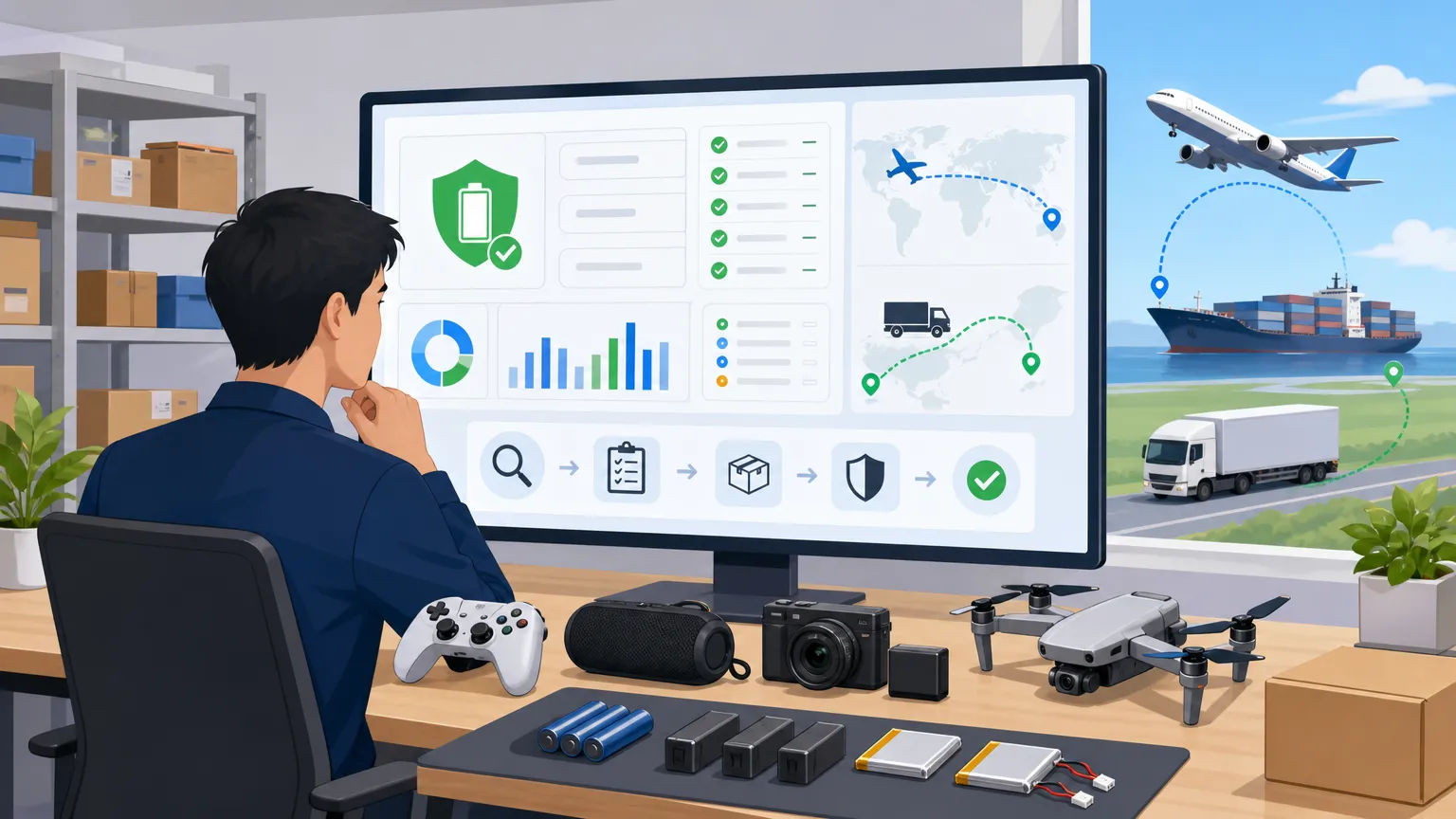
If the products you sell on Amazon include uninstalled, separately packed lithium batteries—such as remote-control toys with removable batteries, Bluetooth speakers packaged with batteries, cameras with spare batteries, or drones—then a new international rule that has already taken effect this year may be quietly slowing down your air shipments.
What is the new rule, and why was it introduced
Starting on January 1, 2026, the International Civil Aviation Organization (ICAO) implemented stricter air transport requirements for lithium-ion batteries that are packed with equipment but not installed. For any lithium battery with a watt-hour rating above 2.7Wh, the state of charge before air shipment must be no higher than 30%. Amazon requires sellers to confirm and provide this state-of-charge information directly in Seller Central.
This is not a policy buried in the fine print that you can ignore. It is a hard logistics requirement that directly affects fulfillment. If an affected ASIN does not have the compliance information filled in, Amazon will no longer be able to arrange air shipping for it, and the system will automatically switch it to ground shipping. That may result in an additional 3-7 days of delivery delay and quietly affect your delivery speed and customer experience.
Is your product affected? A simple way to tell
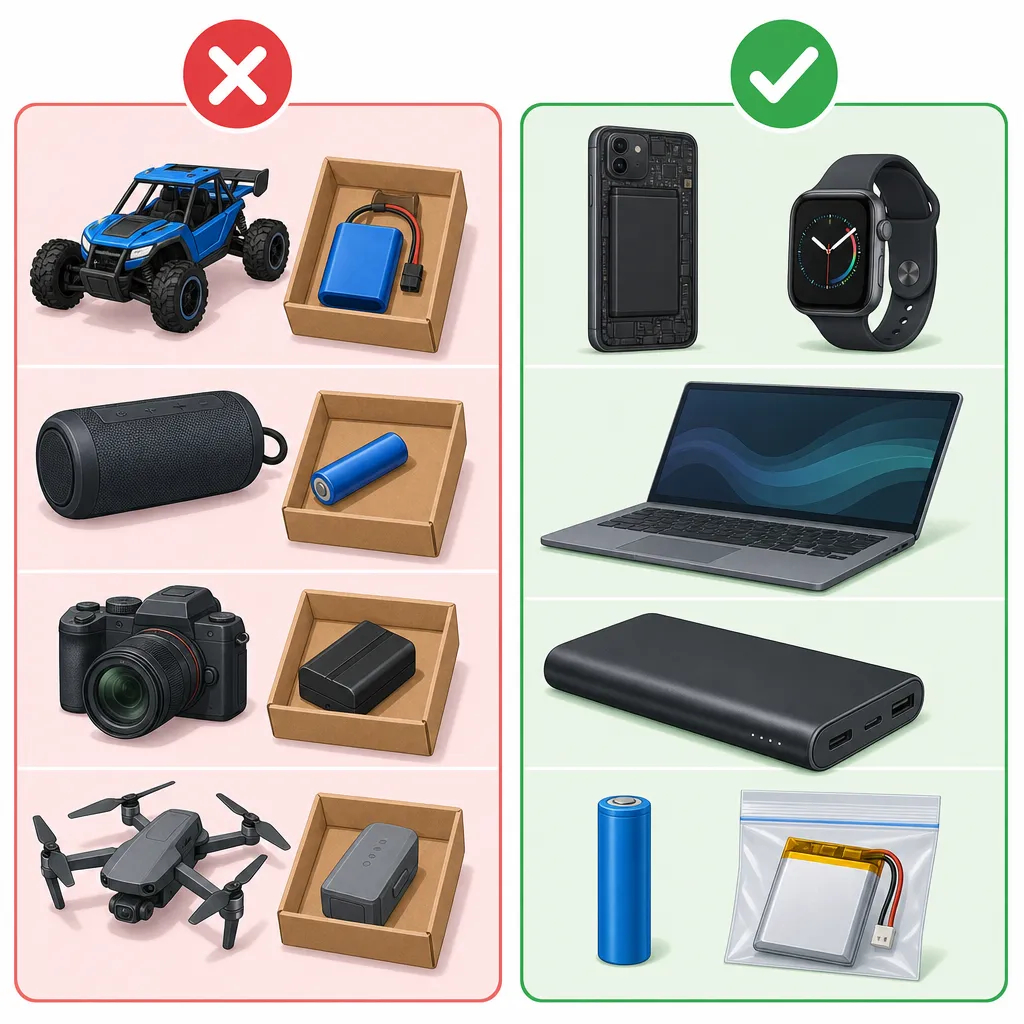
The criteria are very clear. You only need to submit compliance information if all three of the following conditions are met:
- The battery and the device are packaged together, but not assembled
- The device requires that battery in order to function
- During transport, the battery remains uninstalled and separate from the device
Typical products that fall within the affected scope:
- Remote-control toys with removable batteries
- Bluetooth speakers packaged with separate batteries
- Cameras with spare batteries
- Drones with batteries packed separately
Cases that are not affected:
- Products with batteries already installed inside the device, such as phones, smartwatches, and laptops
- Batteries sold separately, such as replacement laptop batteries, power banks, and portable chargers
- Bundles where a battery is sold together with a non-powered product, such as a battery plus unrelated accessories set
A special note for sellers in the power bank category: power banks are treated as standalone battery products and are completely outside the scope of this mandatory reporting requirement.
What happens if you do not comply
To be clear, this will not cause your account to be deactivated, and it will not affect your account health status. It can, however, affect your logistics performance:
- Affected ASINs will no longer be eligible for air shipping
- The system will automatically switch them to ground shipping only
- Delivery times may be extended by 3-7 days
- Delivery performance and customer satisfaction may be affected as a result
For merchant-fulfilled sellers, the responsibility falls on your logistics provider. It is best to contact your carrier directly and confirm their compliance requirements for these products.
How to complete the compliance form in Seller Central
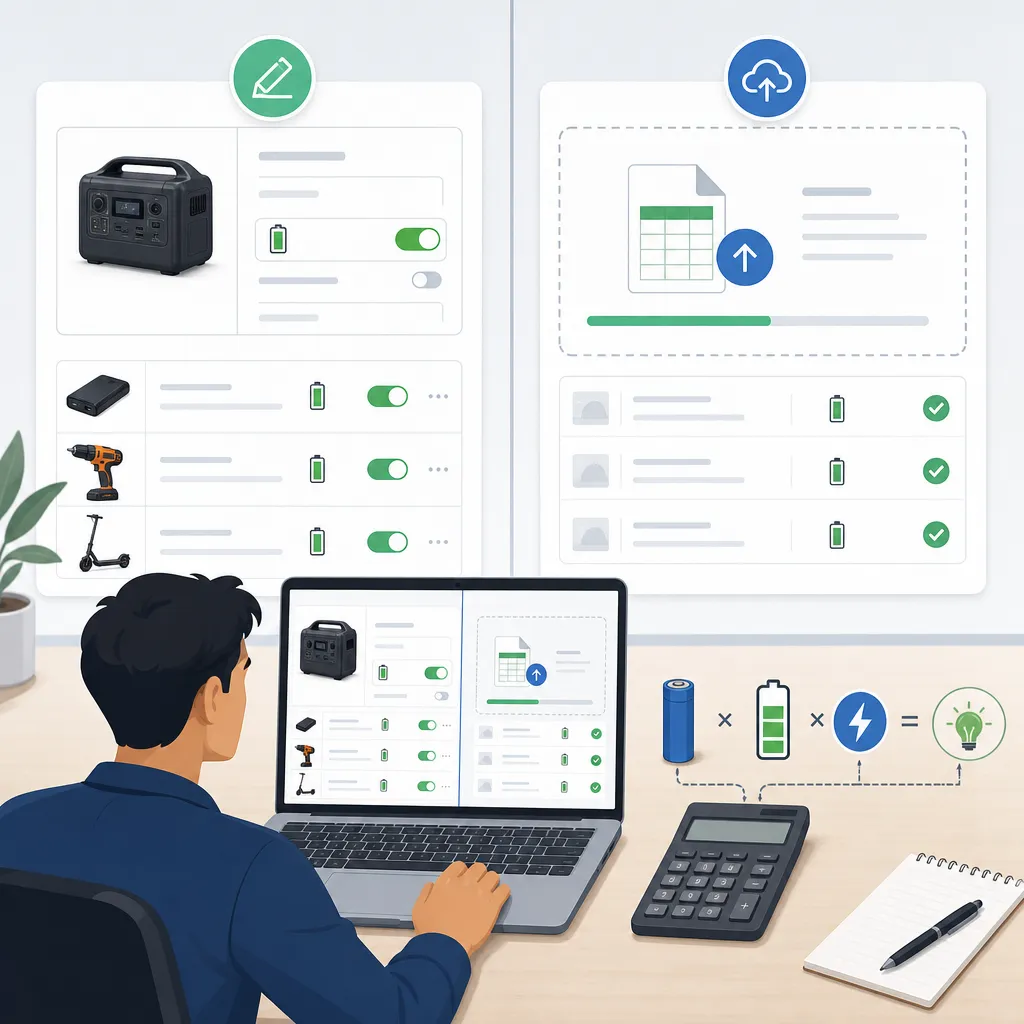
Depending on how many affected ASINs you have, there are two ways to handle it:
Edit ASINs one by one (best for a small number of products): Log in to Seller Central → go to "Manage Inventory" → find the affected ASIN → click "Edit product information" → go to the "Safety & Compliance" section → scroll down to the "Battery charge below 30%" attribute → select "Yes" or "No" → save and submit. Each ASIN takes about 2-3 minutes.
Bulk upload (recommended for multiple ASINs): Go to Seller Central → "Catalog" → "Add Products" → select "Spreadsheet" → download the product template for the affected category (do not download the BETA version) → find the "Battery charge below 30%" column in the compliance section of the spreadsheet → mark all affected ASINs as "Yes" or "No" → upload the file. Some sellers report that processing about 100 ASINs in bulk takes only 15-20 minutes.
If you are not sure about your battery's watt-hour rating, use this formula:
Wh = Battery capacity (mAh) × Voltage (V) ÷ 1000
Example: A battery with 2000mAh capacity and 3.7V voltage = 7.4Wh, which is above the 2.7Wh threshold, so compliance information must be provided.
One piece of good news: FBA inventory that has already been received is not affected by this new rule. It applies only to future outbound shipments. It is a good idea to complete the compliance information before your next replenishment batch is sent.
Why every seller should pay attention to rules like this
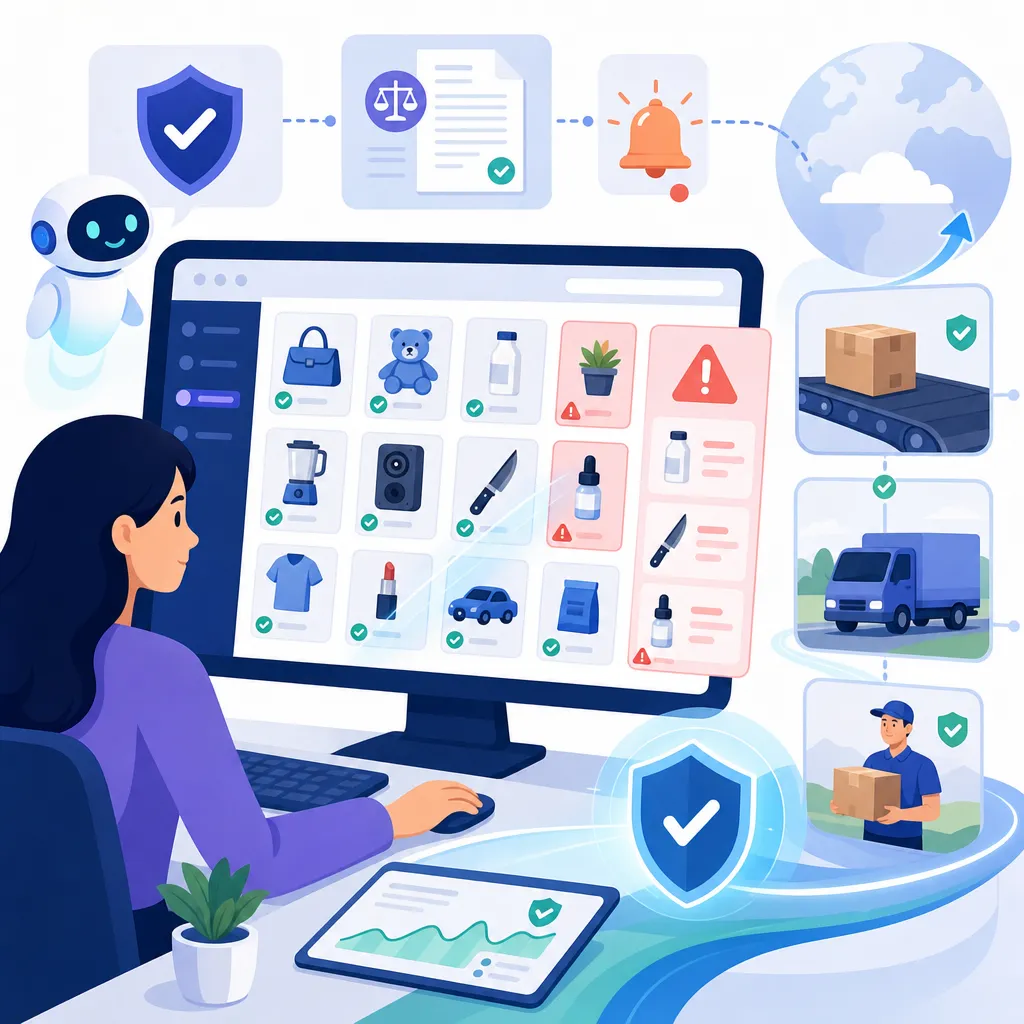
This new rule reflects a broader trend in cross-border e-commerce compliance: rules are becoming more detailed, updates are becoming more frequent, and they are often tucked away in some corner of a platform help center where they are easy to miss. Even if you forget to fill in just one attribute across a few dozen SKUs, it can create a real impact on your delivery promises during peak season.
This kind of repetitive, detail-heavy work is exactly what sellers tend to postpone, even though the cost of getting it wrong can be high—for example, a week of shipping delays. It is worth reviewing ASINs in your catalog that include separately packed batteries and completing the compliance information early, so you do not get pushed into ground shipping during a replenishment rush.